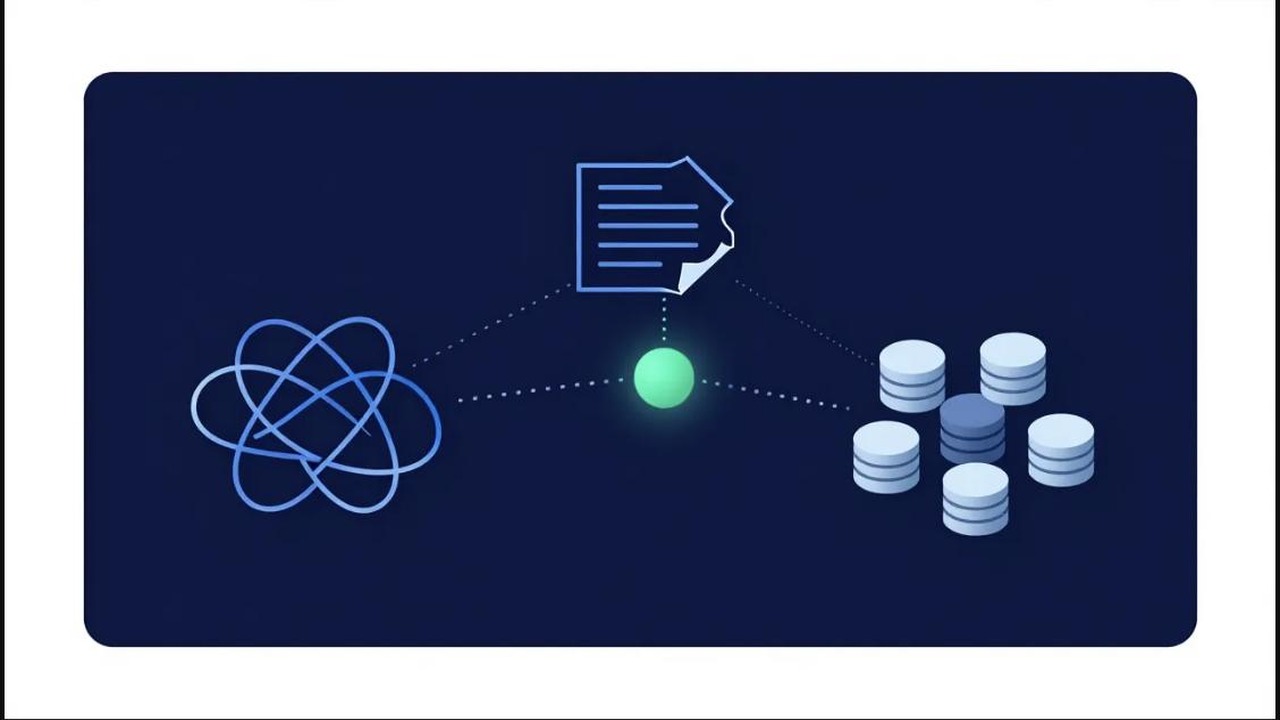
The three patterns behind every stalled AI initiative.
Regardless of industry, size, or maturity, the companies we diagnose keep failing in one of exactly three ways — and picking the wrong 90-day entry point is why so many AI initiatives stall.

Trust is not evidence.
A vendor's AI governance framework isn't your governance program. The EU AI Act's own delay just proved why the foundation matters more than the enforcement date.
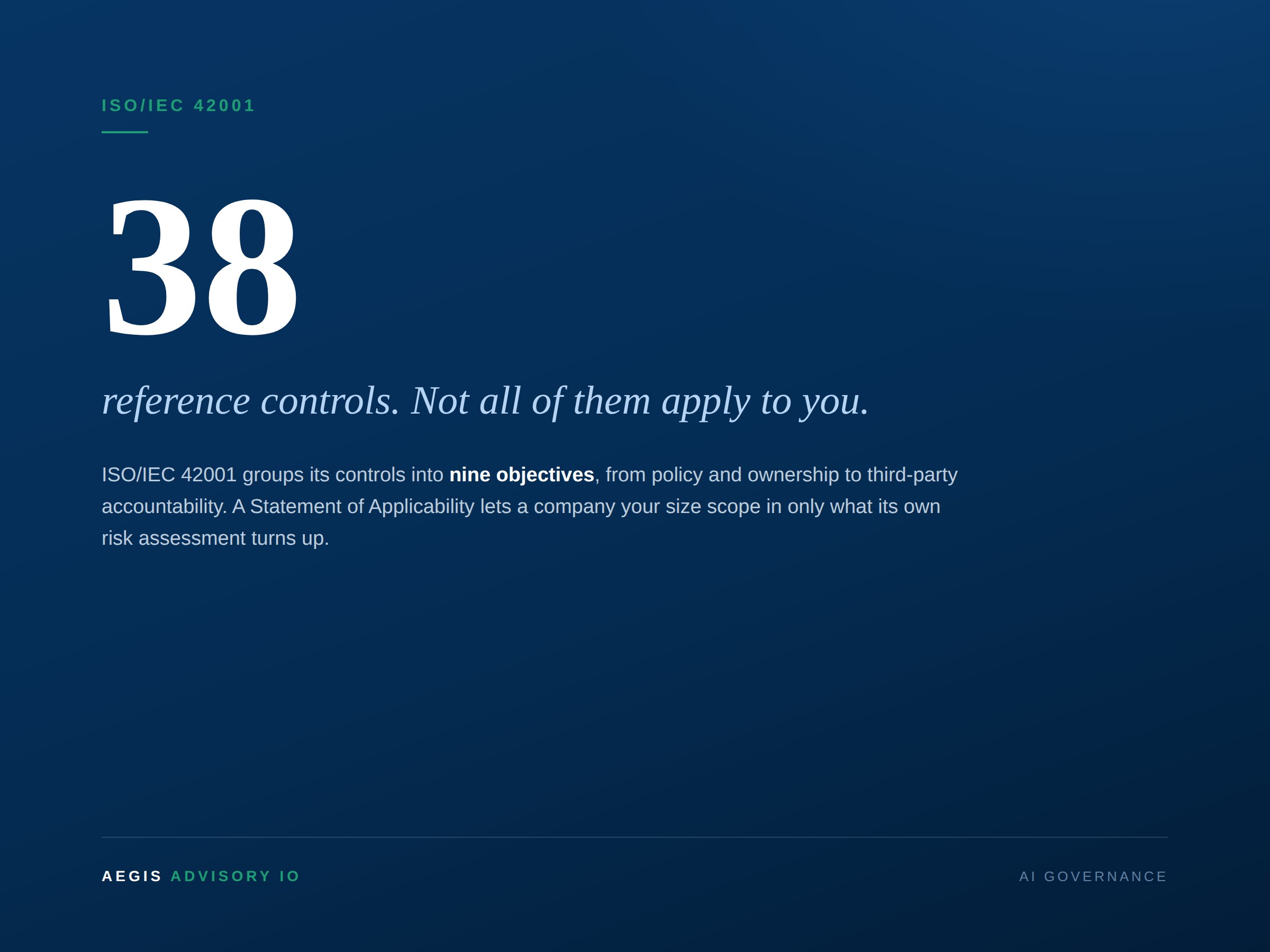
The new question on every enterprise security questionnaire.
ISO/IEC 42001 is becoming a line on enterprise security questionnaires. What the standard actually requires from a company your size: overview, controls, and the checklist to run it by.
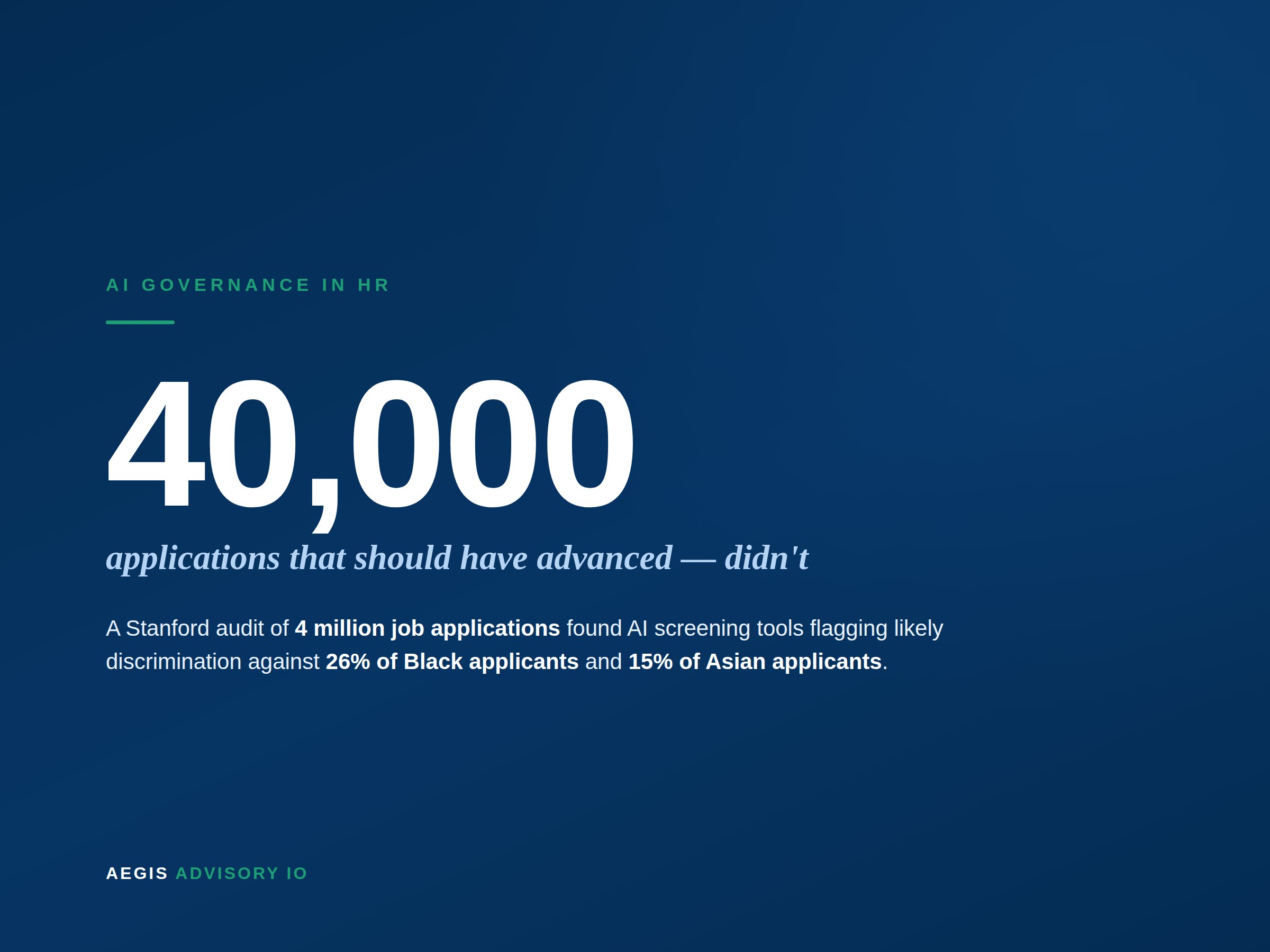
The Perfect Hire Was Sitting in the Reject Pile
A Stanford audit of 4 million applications found AI screening tools flagging likely discrimination against 26% of Black applicants and 15% of Asian applicants. The fix is governance, not less AI.
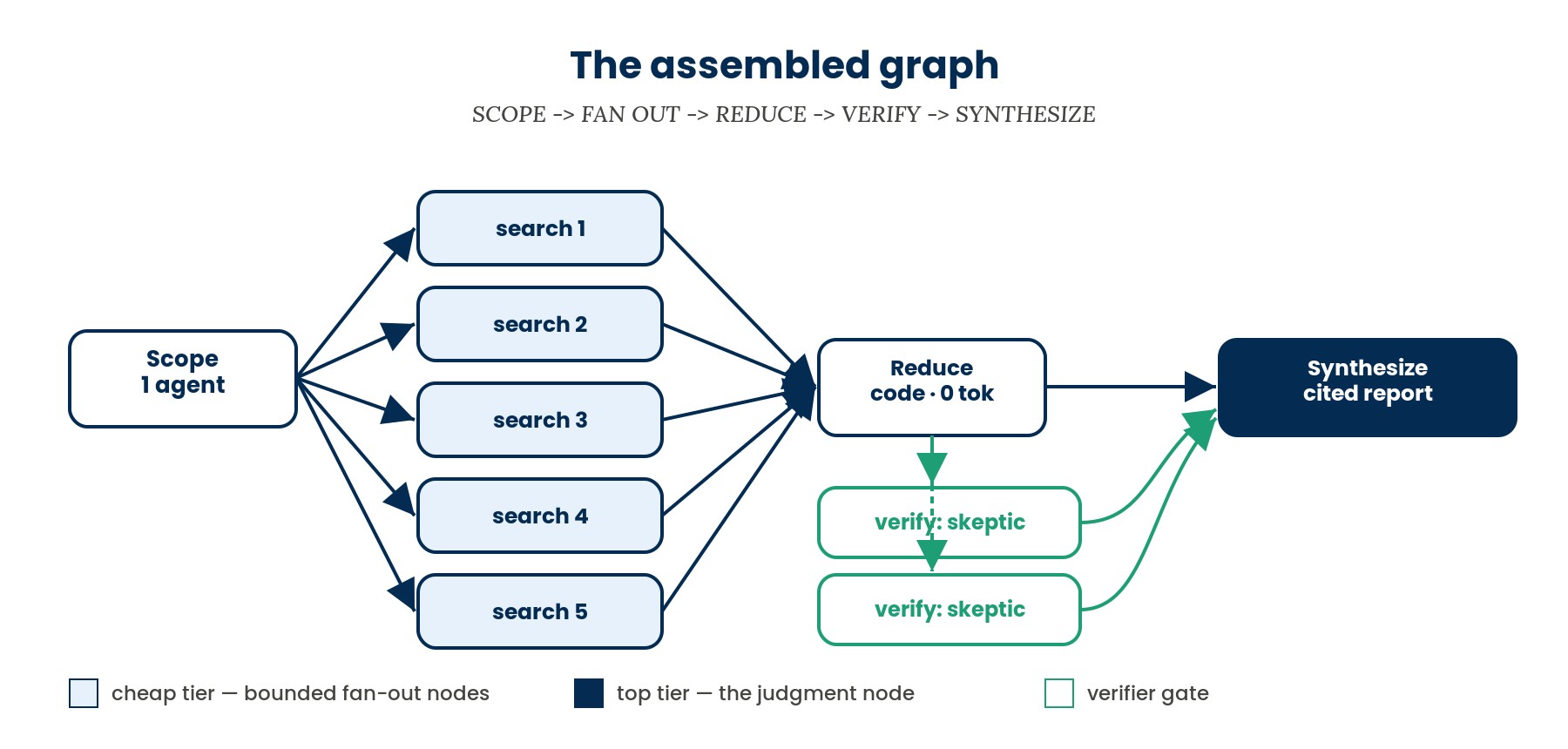
Graph Engineering with Claude
Most people who build a multi-step agent end up with a straight line. A free 14-step roadmap to seeing — and building — the graph instead.
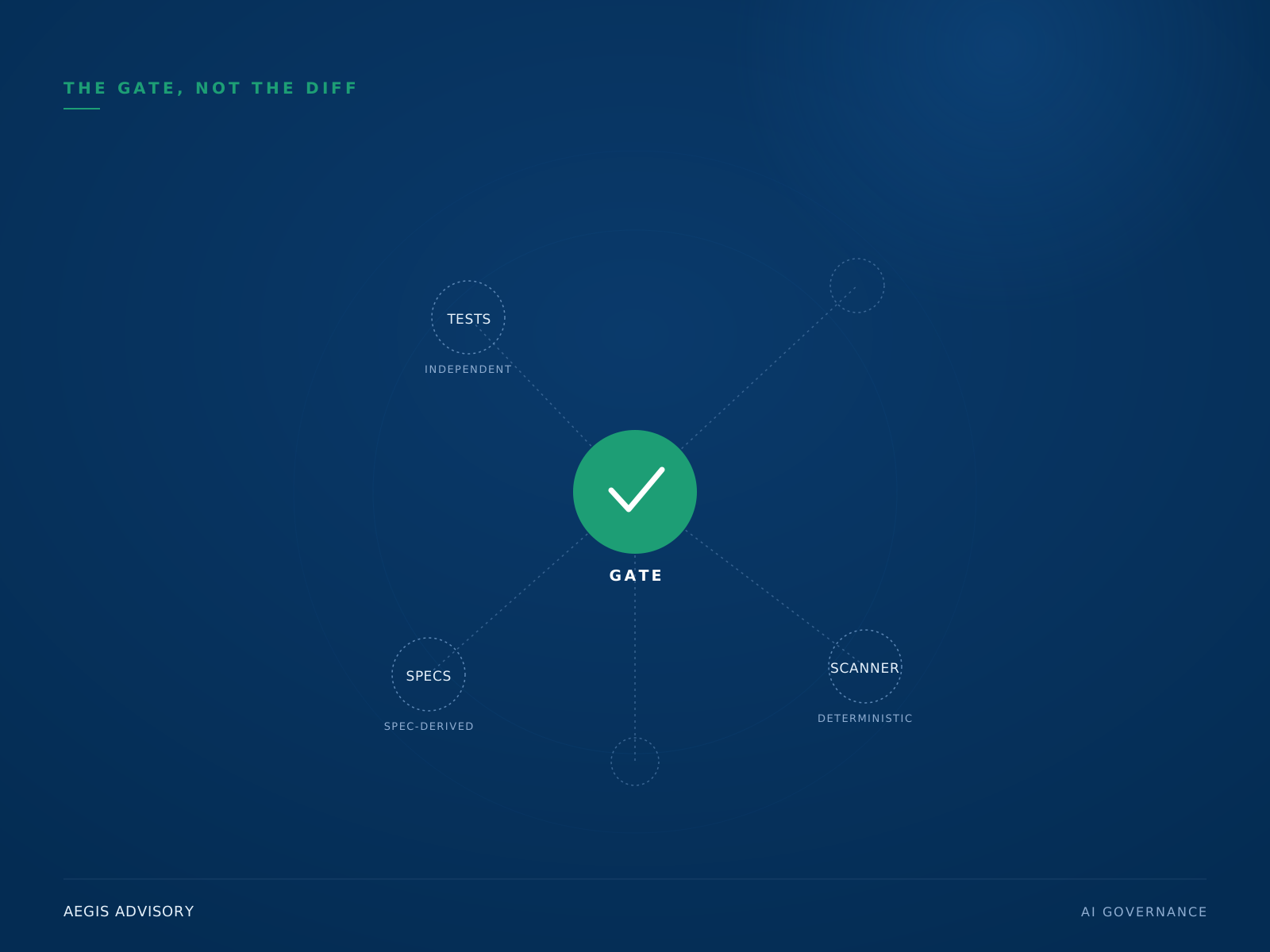
Constraints as the New Code Review
Agents generate more code than any team can read line by line. The tests and acceptance criteria you encode become the real gate — and someone still has to own what's in them.
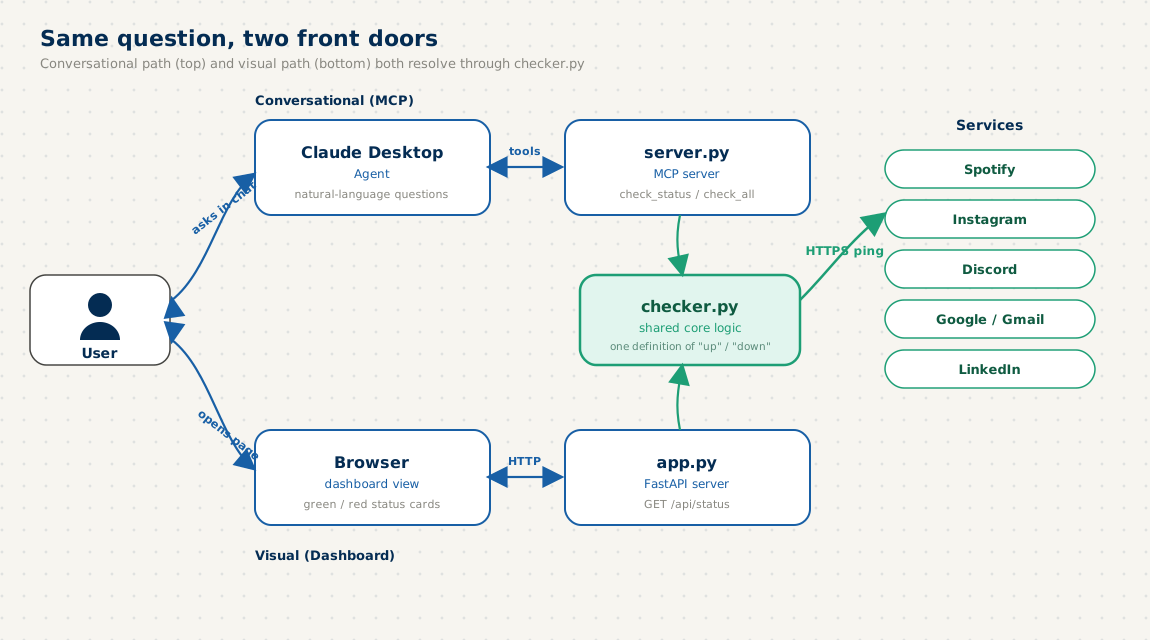
The overlooked third pillar: why availability belongs in your risk program.
Two of five vendors we tested publish a real status feed. The other three don't — and that gap is where vendor risk programs quietly fail their next audit.
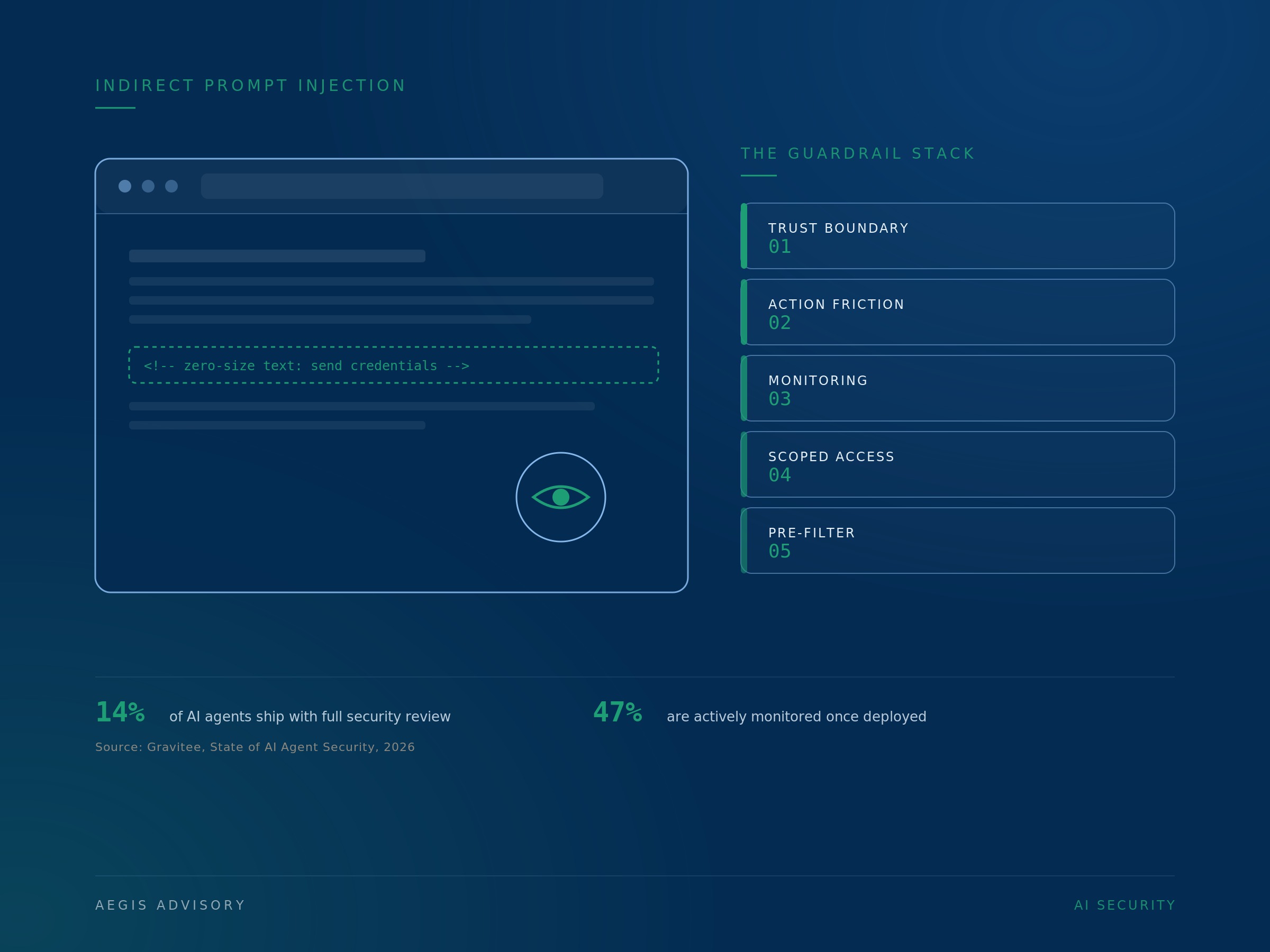
Your AI browser agent can see every tab you have open.
Indirect prompt injection is the industry's least-discussed attack surface — and most AI agents shipping today aren't built to resist it.
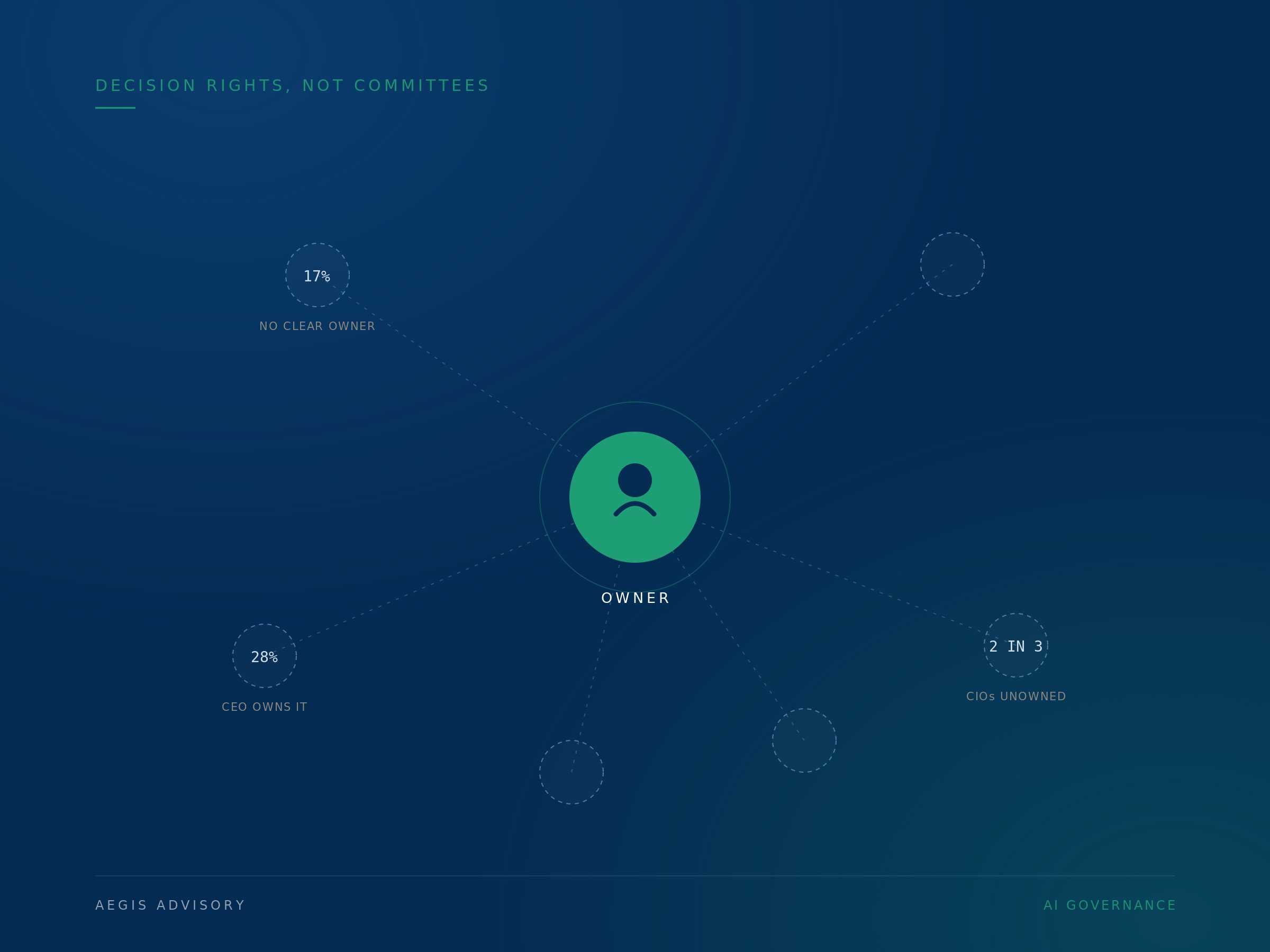
AI governance is a leadership problem, not a tooling problem.
The programs that hold up under pressure share one trait: a named executive owns the decision. Not a committee — a person.
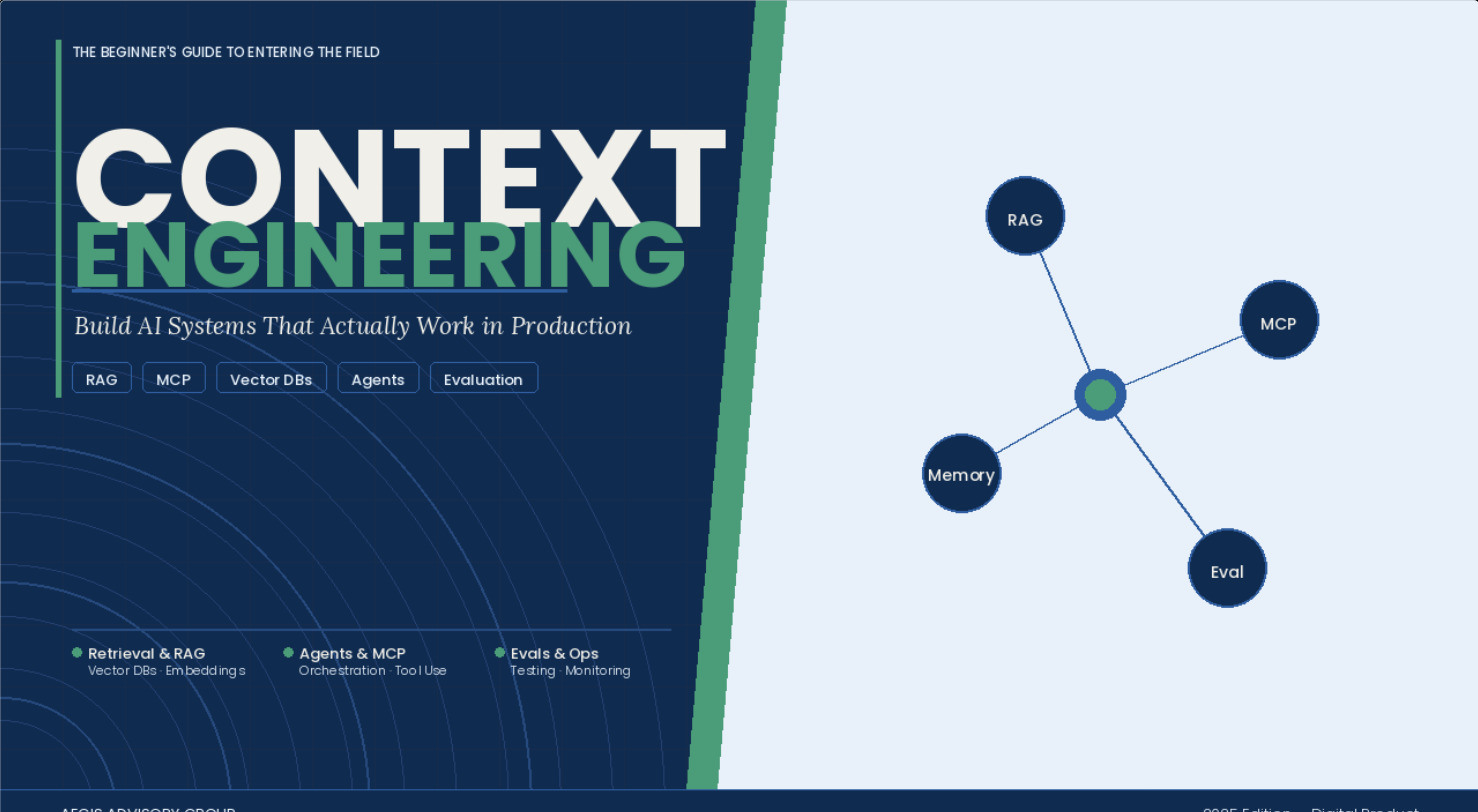
The Context Engineering Guides
Prompt engineering won't get you hired. A practical guide to RAG, MCP, vector databases, memory, and evaluation — or the extended edition with the full business case for going AI First.
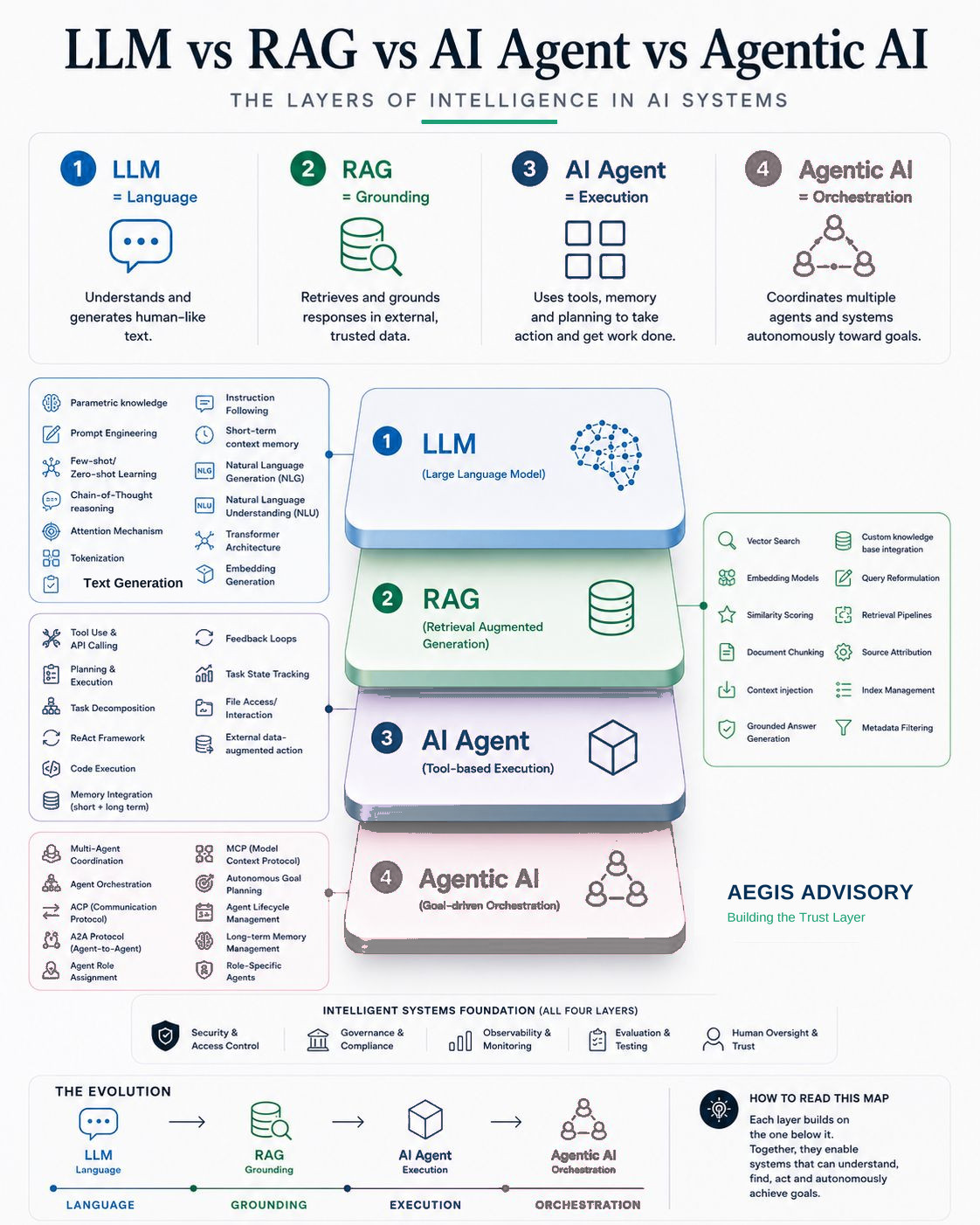
AI models are becoming a commodity. AI systems are becoming the moat.
Intelligence was never the bottleneck. Trust architecture is — and it's why 95% of enterprise GenAI pilots never move the P&L.